VLAB Journal / Food Export to Korea
7 Things Thai Food Manufacturers Should Know Before Exporting to Korea
Practical lessons for Thai manufacturers preparing processed foods, fresh produce, documentation, Korean-language labels, and long-term supply for the Korean market.
English Version
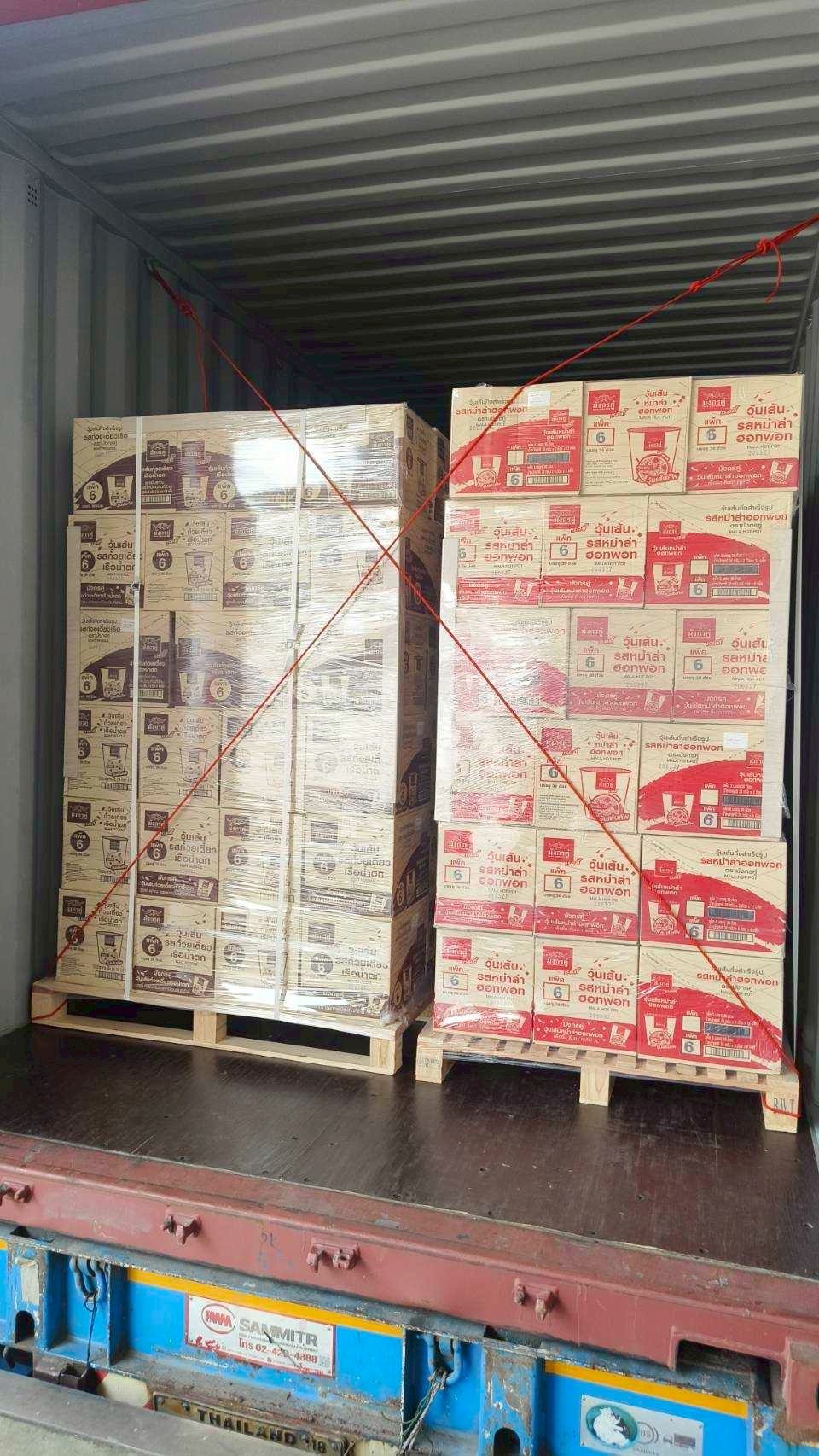
Exporting food to Korea requires more than arranging transportation. Product compliance, ingredients, labels, documents, production schedules, and import procedures must be reviewed together.
It has been almost nine years since we started doing business in Thailand.
During that time, we have worked with Thai manufacturers, exporters, and Korean buyers on various food export projects from Thailand to Korea.
The preparation process has been different for every product, from processed foods such as instant noodles and sauces to fresh produce. However, after working on multiple projects, we have also seen the same issues and questions appear repeatedly.
When Thai food manufacturers begin considering the Korean market, the first thing many of them think about is finding a Korean buyer.
Finding the right buyer is certainly important. However, in an actual export project, many things must be checked before approaching potential buyers.
Manufacturers first need to determine whether the product can be imported into Korea, whether its ingredients and production methods meet Korean requirements, what documents and labeling information will be required, and whether the product can be supplied consistently according to an agreed schedule.
Korea can be an attractive market for Thai food manufacturers. However, a product must first be reviewed and prepared for the Korean market before a sustainable export project can begin.
Based on our experience supporting food export projects between Thailand and Korea, here are seven things Thai food manufacturers should understand before entering the Korean market.
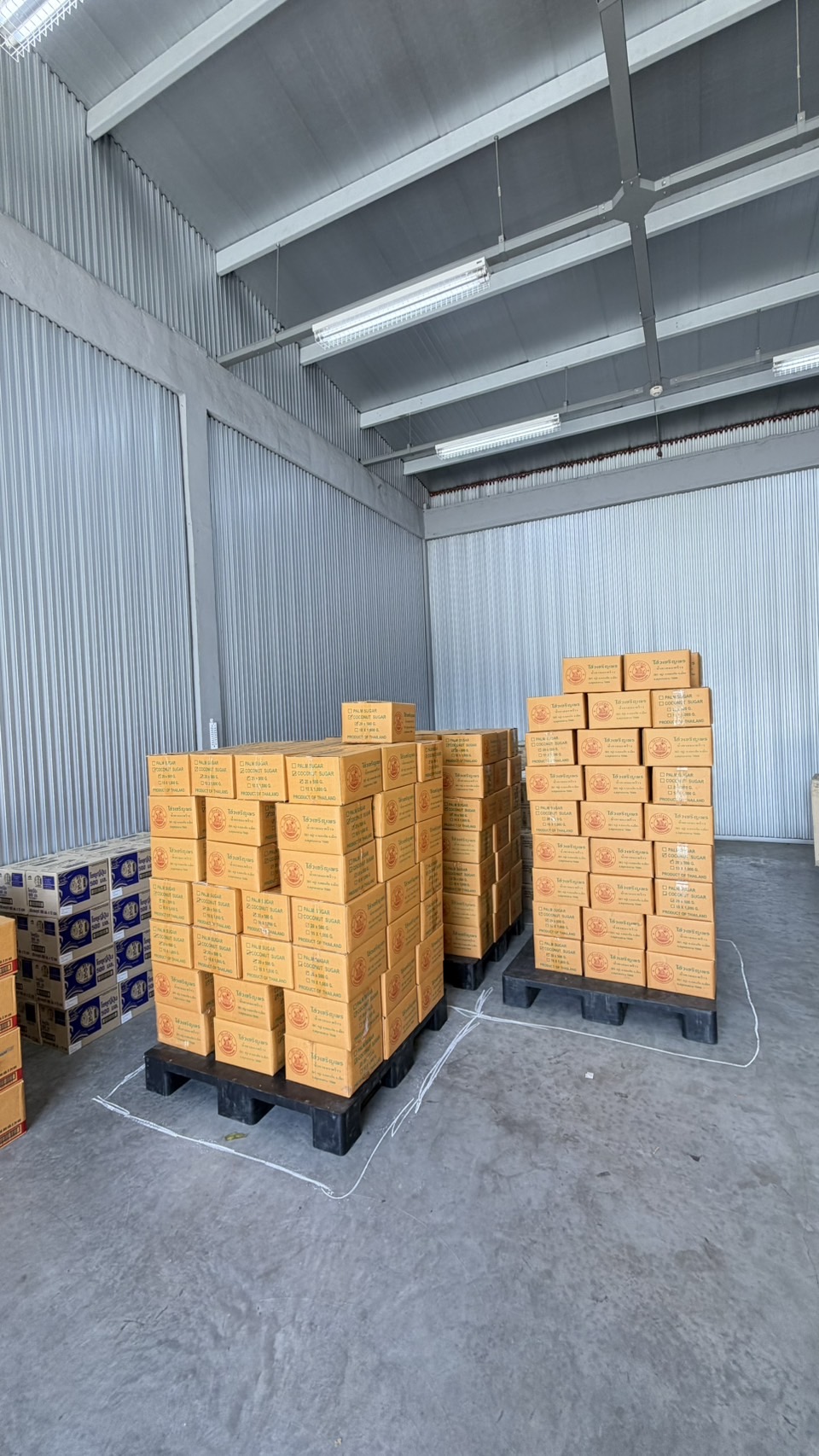
Packaging, pallet preparation, documents, labeling, and shipment schedules should be coordinated before loading.
Don’t Start Production Before Checking Korean Import Requirements
A product that is legally sold in Thailand may not necessarily be imported into Korea with the same ingredients and packaging.
One of the most important mistakes to avoid is starting mass production before checking whether the product meets Korean import requirements.
Manufacturers often assume that because a product is already being produced and sold without any issues in Thailand, the same product can also be exported to Korea without modification.
However, a product that is legally sold in Thailand may not necessarily be imported into Korea with exactly the same ingredients and packaging.
The requirements may differ depending on the ingredients, food additives, preservatives, production process, and food category.
Some manufacturers also assume that attaching a Korean-language label will be enough. However, before preparing the label, the first question should be whether the product itself can be imported into Korea.
When an issue is discovered after production has already been completed, the manufacturer may need to:
These problems may not be resolved simply by submitting one additional document.
Production schedules may be delayed, packaging materials may need to be reproduced, and additional costs may be incurred for raw materials and finished products that have already been prepared.
Products intended for the Korean market should be reviewed before mass production begins. Product review, sample testing, label preparation, and production planning should be completed in the correct order.
Product Ingredients Matter More Than You Think
Complete and accurate ingredient information is the foundation of Korean import review and labeling.
A complete ingredient list is one of the most important documents in a food export project.
However, when we first receive ingredient information from manufacturers, it often does not include enough detail for an import review.
In some cases, only the basic names of the ingredients are provided. In others, there is no information about the individual components contained within compound ingredients.
For example, sauces, seasoning powders, flavored oils, seasonings, and broth concentrates may contain several sub-ingredients.
Even when a compound ingredient appears under a single name in the final product formula, the Korean import review may require information about the individual ingredients and food additives contained within it.
The following information should be reviewed carefully during the early stages of the project:
Ingredient review is not simply a task performed to prepare export documents.
It is the foundation for determining whether the product complies with Korean requirements, identifying possible testing requirements, and preparing accurate Korean-language labeling information.
Manufacturers should therefore be able to provide complete and accurate ingredient information from the beginning of the export review.
When the documents are incomplete or do not match the ingredients actually used in production, the risk of problems during importation increases significantly.
Fresh Produce and Processed Foods Follow Different Rules
Fresh produce, processed foods, chilled products, and frozen products require different export plans.
Fresh produce and processed foods are both classified as food products, but their export procedures can be very different.
For processed foods such as instant noodles, sauces, snacks, and beverages, the main areas of preparation usually include ingredients, manufacturing facilities, labeling, testing, and shelf life.
Fresh fruits such as mangoes require a different approach.
Important factors may include approved farms and packing facilities, country-specific vapor heat treatment requirements, pest management, flight schedules, temperature control, export carton specifications, quarantine procedures, and export documentation.
For processed foods, the ingredients and packaging can usually be reviewed before production. The necessary documents and Korean labels can then be prepared before shipment according to a planned schedule.
Fresh produce, however, is highly affected by weather conditions, harvest periods, and the natural condition of the fruit.
Product quality may not be exactly the same for every shipment, and unexpected issues may arise during plant quarantine inspections.
Harvesting, sorting, vapor heat treatment, packing, quarantine inspection, air transportation, and customs clearance in Korea must all be connected efficiently. A delay at any stage can directly affect freshness and the remaining sales period.
Manufacturers and exporters should therefore not manage all food exports in the same way.
Different export plans are required for processed foods, frozen foods, chilled foods, and fresh produce.
Accurate costs and lead times can only be calculated after the product characteristics, temperature requirements, and transportation conditions have been reviewed.
Labels and Documentation Should Be Prepared Early
Korean-language labels and export documents should be prepared together with the product and production schedule.
Korean-language labels and export documents should not be prepared at the last minute, just before shipment.
The necessary information should be collected and reviewed as soon as the product specifications and ingredients are confirmed.
Depending on the product, a Korean-language food label may include information such as:
The exact labeling requirements may differ depending on the product category and import conditions. Therefore, each label must be prepared based on the actual product rather than a general template.
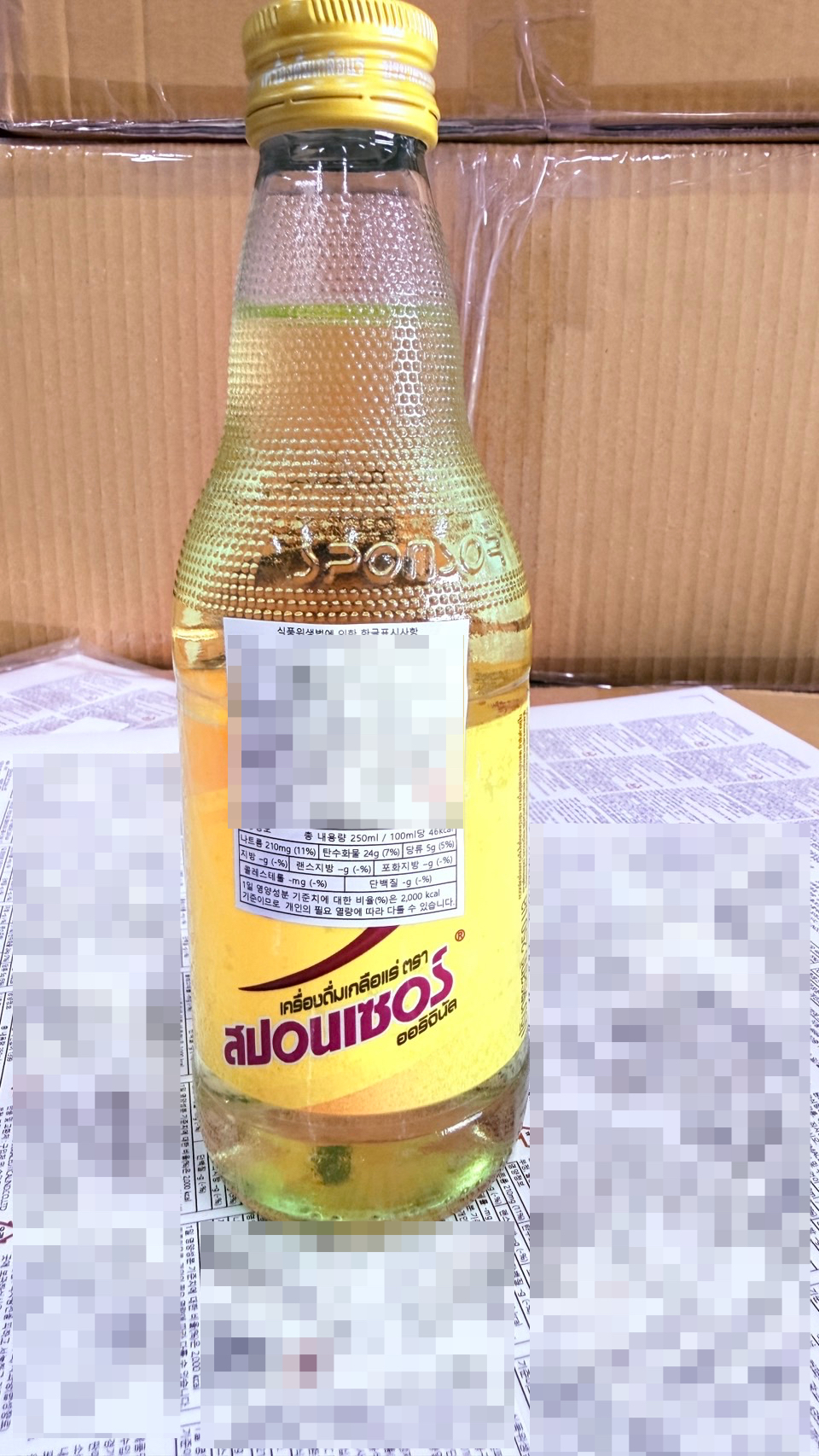
Label information should be checked against the final ingredient list, packaging, manufacturer information, and export documents before printing.
Common labeling problems include:
- Differences between the English ingredient list and the actual production formula
- Missing sub-ingredients from compound ingredients
- Different product names appearing on the packaging and submitted documents
- Inconsistent manufacturer addresses or factory information
- Incorrect or incomplete allergen information
- Printing labels before the final information has been confirmed
In addition to the label, documents such as the commercial invoice, packing list, certificate of origin, ingredient list, manufacturing process flow, and product specification may be required.
Depending on the product, additional supporting documents or original documents may also be requested.
When documentation is prepared too late, the products may already be finished but unable to be shipped.
For this reason, documentation should not be managed separately from the production schedule. It should be prepared together with product development and export planning.
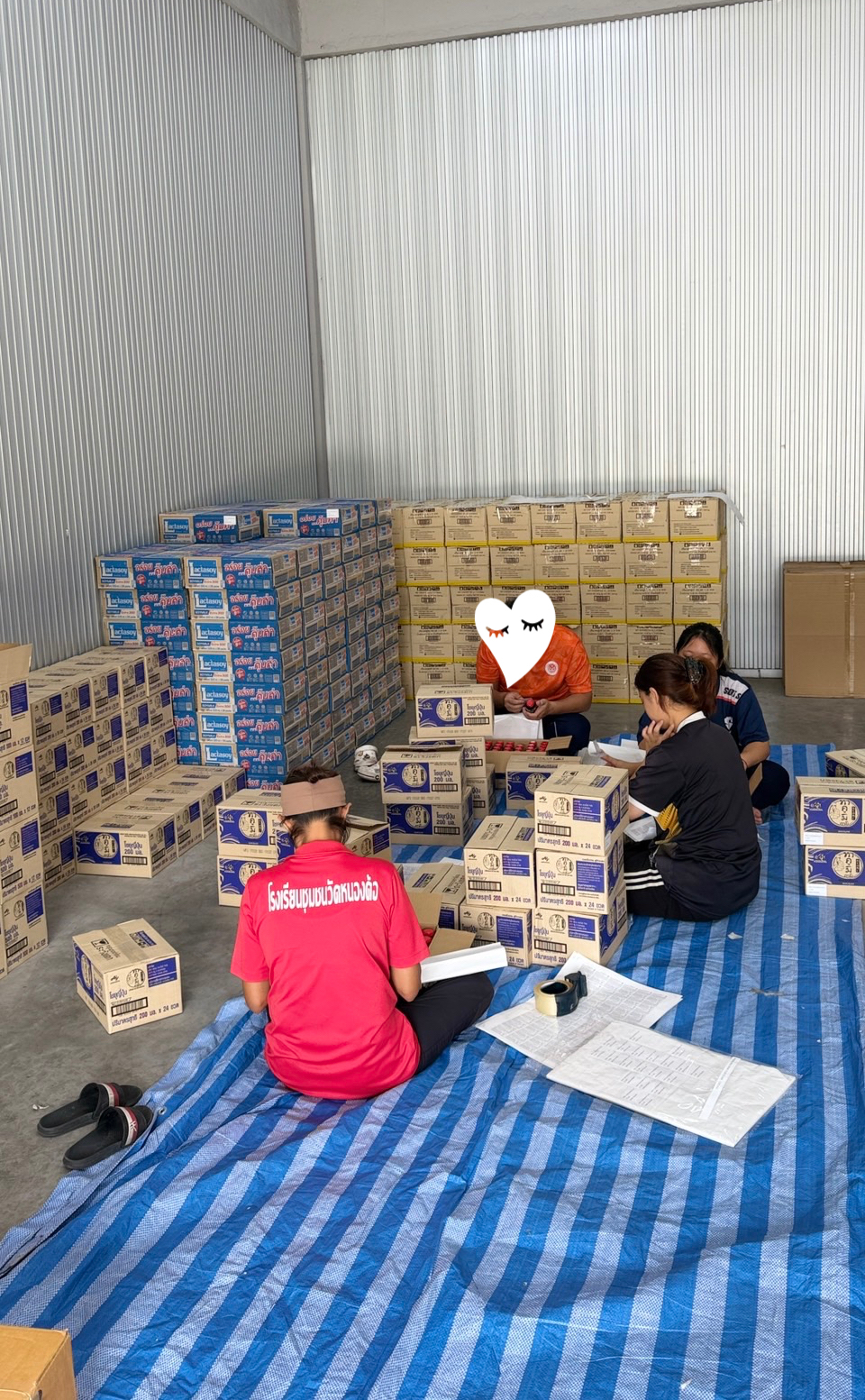
Applying labels before shipment can reduce bonded warehouse work and additional handling costs in Korea.
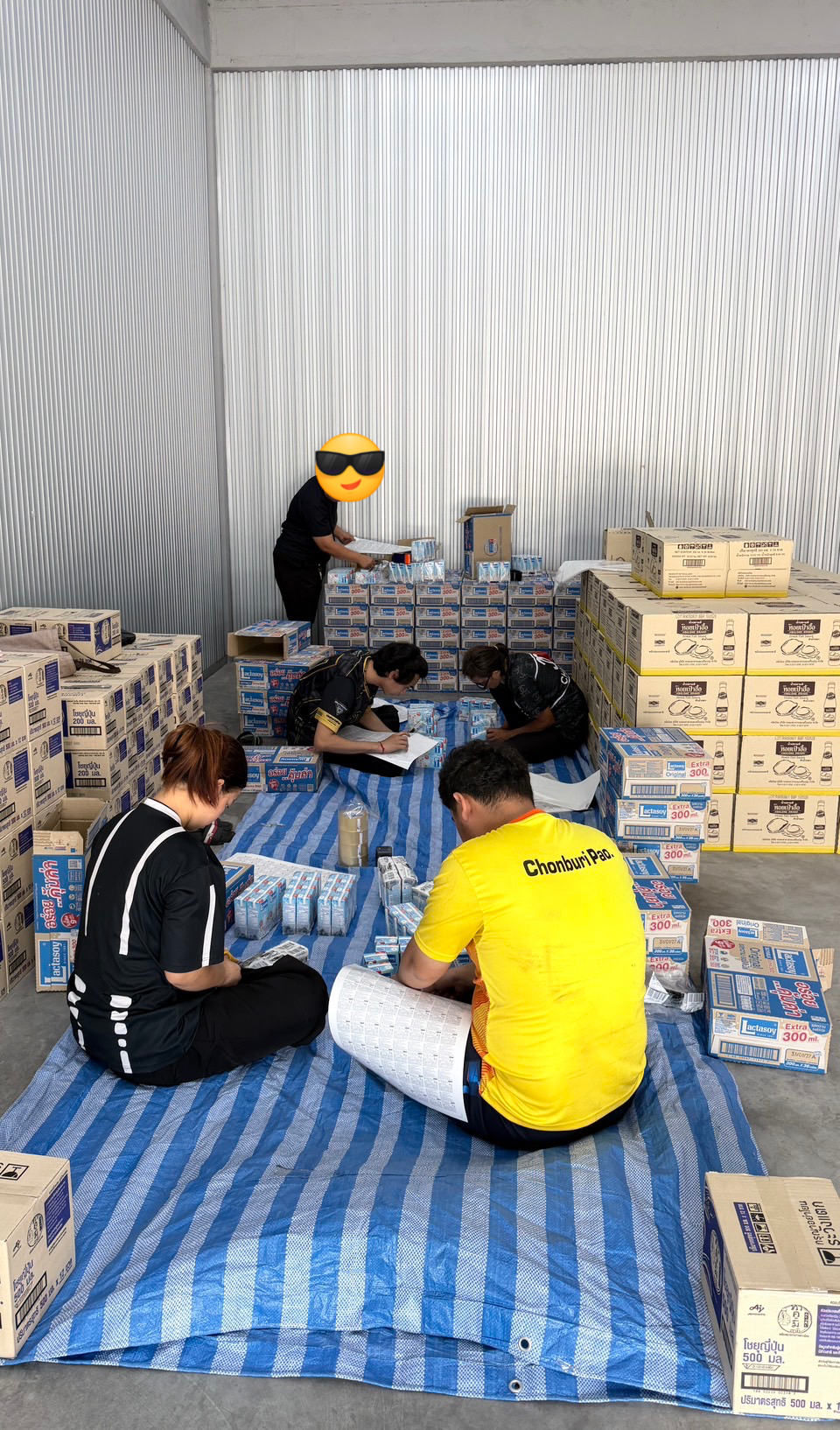
Labels should be attached only after the product information and Korean import requirements have been confirmed.
Korean-language labeling is mandatory when importing food products into Korea.
It is possible to attach the labels at a bonded warehouse after the products arrive in Korea. However, this usually creates additional costs, including warehouse charges and labeling labor costs.
For this reason, Korean labels are commonly attached in the exporting country before the products are shipped.
Finding a Buyer Is Not the First Step
Before searching for buyers, manufacturers should prepare the information a serious buyer will need to review.
One of the questions we receive most frequently from Thai manufacturers is whether we can introduce their products to Korean buyers.
Finding a buyer that can distribute the product in Korea is important.
However, finding a buyer alone does not mean that an export project can begin.
Even when a Korean buyer is interested in a product, the discussion may not progress very far unless the manufacturer can quickly answer the following questions:
Questions Korean Buyers May Ask
- Can the product be imported into Korea?
- Can you provide a complete ingredient list?
- What is the minimum order quantity?
- What is the export price?
- Can you provide samples?
- What is the production lead time?
- What is the shelf life from the date of manufacture?
- Can you provide the required documents in English?
- Can you support Korean-language label application?
- Can you maintain a stable supply for repeat orders?
Before searching for buyers, manufacturers should first organize their products into an export-ready format.
At a minimum, they should prepare an English product introduction, product specifications, complete ingredient information, packaging details, minimum order quantity, production lead time, pricing terms, and shelf-life information.
When sending samples, it is also better to include the product information, pricing, and production conditions rather than sending the product alone.
A well-prepared manufacturer can respond quickly to a buyer’s questions.
On the other hand, it can be difficult to build trust when every document request takes several days or when different employees provide inconsistent answers.
Long-Term Supply Matters More Than the First Shipment
The ability to manage repeat orders consistently is often more important than completing the first shipment.
After completing the first shipment, it can be tempting to consider the project a success.
However, in food exports, the ability to manage the second and third orders consistently is often more important than completing the first one.
Once sales begin in Korea, the buyer must manage inventory according to the expected sales schedule.
Even when a product sells better than expected, the sales opportunity may be lost if the manufacturer cannot respond to repeat orders.
Long-term distribution can also become difficult if the production schedule changes repeatedly or if product quality is inconsistent between orders.
Before beginning an export project, manufacturers should realistically evaluate whether they can:
Korean buyers are not simply looking for manufacturers that are enthusiastic about the first order.
They are looking for manufacturers that can communicate clearly when a problem occurs, manage quality and delivery schedules reliably, and develop the product together over the long term.
Even a small product change can be important in an export project.
A change in a raw material supplier, formulation, or packaging specification may affect Korean import requirements and labeling information.
In some cases, a preservative may be detected even though the manufacturer did not add it directly to the final product. It may have entered the product through a compound ingredient or another raw material.
When this happens, the manufacturer should be able to identify which raw material caused the issue and work with the raw material supplier to control it.
Manufacturers should have a system for communicating product changes, production issues, and raw material concerns to their importer and export partner before the next shipment.
The first shipment is only the beginning of the business relationship.
Long-term exports are built through stable production, consistent quality, and accurate communication.
Work With Partners Who Understand Both Markets
Food export projects require coordination between Thai production conditions and Korean import requirements.
The production process in Thailand and the import and distribution process in Korea are closely connected.
It can be difficult to coordinate all the practical issues between the two countries when a partner understands only Thai manufacturing conditions or only Korean import procedures.
For example, when additional documents are requested in Korea, a Thai manufacturer may not fully understand exactly what information needs to be provided.
On the other hand, a document that is commonly used in Thailand may not contain sufficient information for the Korean import process.
The important task here is not simply translation.
A partner should understand why the information is required, how the manufacturer should prepare it, and how the situation should be explained to the Korean importer.
A food export project also involves more than ingredients and labels.
Production schedules, document issuance, shipment arrangements, customs clearance, and warehouse delivery must all be coordinated between multiple parties.
For this reason, it is helpful to work with a partner that can understand and manage the full process.
A reliable partner should not simply say that every product can be exported without any problems. The partner should review the product information, identify areas requiring further confirmation, and explain the possible risks and necessary preparations.
Exporting food to Korea is not something that the manufacturer handles alone.
Thai manufacturers, exporters, logistics companies, Korean importers, customs specialists, inspection authorities, warehouses, and distributors are all connected within the same process.
Working with a partner that understands the business practices and market requirements of both countries can help reduce unnecessary delays, misunderstandings, and repeated work.
Final Thoughts
Exporting to Korea Does Not Begin with Finding a Buyer
Korean consumers are interested in new products and international food trends.
Thailand also has many products with distinctive flavors and strong potential in the Korean market.
However, having a good product does not automatically make it ready for export.
The product must be reviewed for the Korean market, accurate information and documentation must be prepared, production and shipment schedules must be managed, and the manufacturer must be able to maintain a stable supply after importation.
A Practical Process for Entering the Korean Market
Product
Selection
Ingredient & Import
Feasibility Review
Sample
Review
Testing & Label
Preparation
Production Schedule
Confirmation
Export Document
Preparation
Shipment & Korean
Customs Clearance
Distribution & Repeat
Order Management
One of the most important lessons we have learned from working on food export projects is that checking potential problems before production is far more efficient than trying to solve them after they occur.
Exporting food to Korea is not simply about sending products overseas.
It is the process of preparing a product so that it can be legally imported, distributed reliably, and sold repeatedly to Korean consumers.
Preparing Products for the Korean Market
The first step is not simply finding a buyer.
It is confirming that the ingredients, product information, labels, documentation, production process, and long-term supply plan are ready for the Korean market.
Exporting to Korea is not just about finding a buyer. It is about making sure your product is truly ready for the Korean market.
Preparing Thai Food Products for the Korean Market?
VLAB supports Thai food manufacturers and exporters with the practical preparation required before products are exported to Korea.
Korean Label Preparation
Export Documentation
Product & Sample Coordination
Air & Sea Freight
Korea Import Support