Don’t Ship a Container Yet.
What food manufacturers should check before exporting to Korea —
from manufacturer registration and ingredient review to Korean labeling, laboratory testing, and market validation.
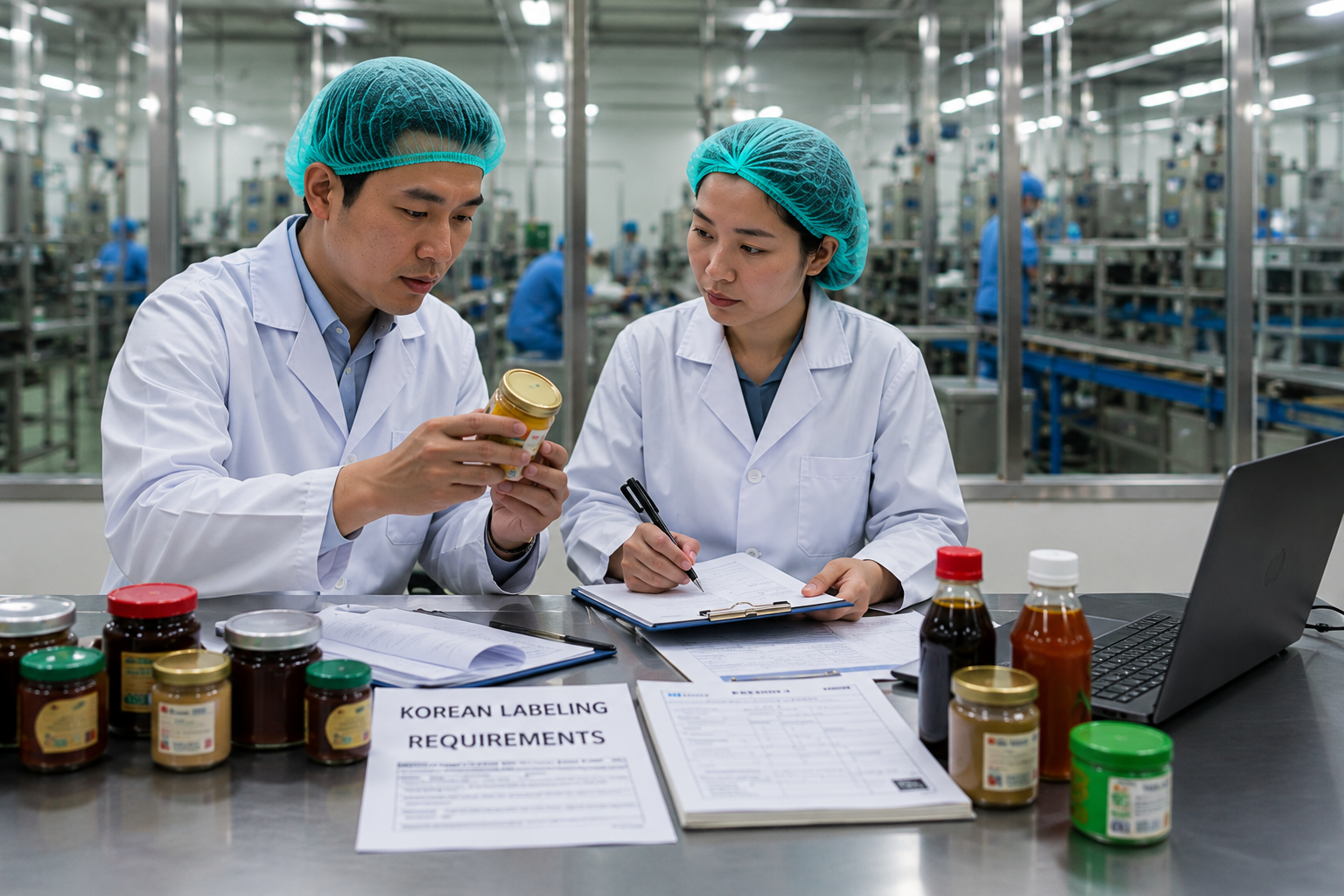
Every year, we receive inquiries from food manufacturers who are interested in entering the Korean market.
Some manufacturers have already found a buyer or distributor and want to start production as soon as possible. The first question is often:
“When can we ship the container?”
Our answer is usually: “Please wait for a moment.”
Before thinking about containers, it is much more important to confirm whether the product is actually ready for the Korean market.
Over the years, we have seen companies spend significant time and money producing products, only to discover that they could not be imported into Korea or needed recipe adjustments due to regulatory requirements.
From our experience, the safest approach is:
Product Preparation → Sample Preparation → Korean Ingredient & Compliance Review → Market Testing → Commercial Shipment
Starting with this process can save both time and cost.
1. Manufacturer Registration
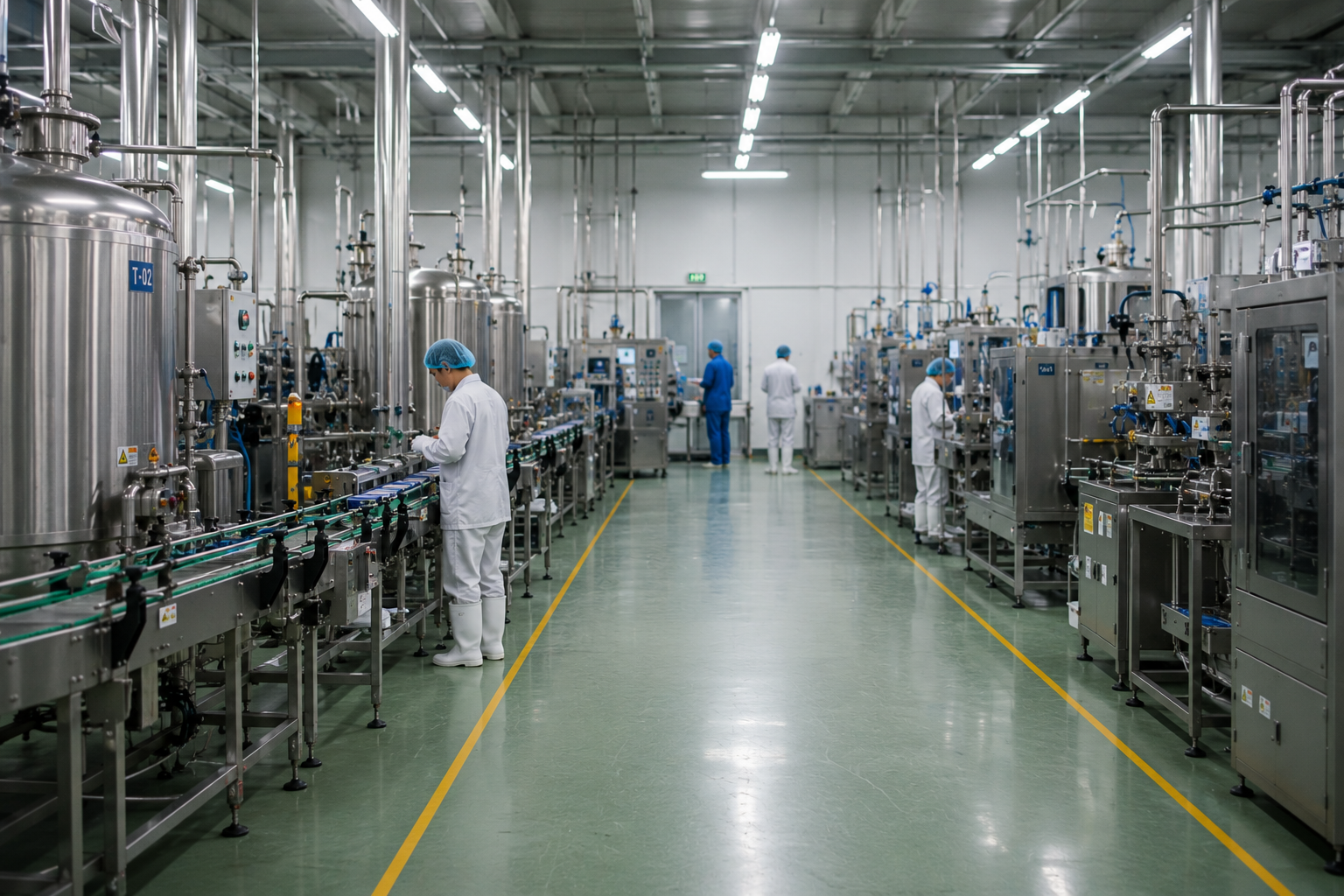
Depending on the product category, overseas food manufacturers may need to complete manufacturer registration before exporting to Korea.
Preparing this information early can help avoid unnecessary delays later in the process. VLAB can support overseas manufacturers with the preparation process for Korean manufacturer registration.
Typical documents may include:
- Manufacturing process flow chart
- Ingredient specification or formulation sheet
- Manufacturing facility information
- Company documents
2. Ingredient & Additive Review
Having an ingredient list is only the first step.
One of the most common misunderstandings is assuming that an ingredient or additive approved in one country will automatically be accepted in Korea.
Like many other countries, Korea applies food regulations differently depending on the product category.
For example:
- Some preservatives are permitted only within specific limits.
- Certain food additives, including INS numbers, may be permitted in one food category but not in another.
- Some substances must not be detected at all in specific products.
Because of these differences, reviewing ingredients before production is often much safer than modifying a finished product later.
3. Korean Label Preparation
A Korean label is much more than a simple translation.
The label must comply with Korean food labeling regulations and include the required information in the correct format.
This typically includes:
- Product name
- Ingredient list
- Allergen information
- Nutrition facts
- Manufacturer information
- Importer information
Preparing the label correctly before shipment helps reduce unnecessary customs issues.
4. Laboratory Testing
Many manufacturers tell us:
“Our products have already been tested in our country.”
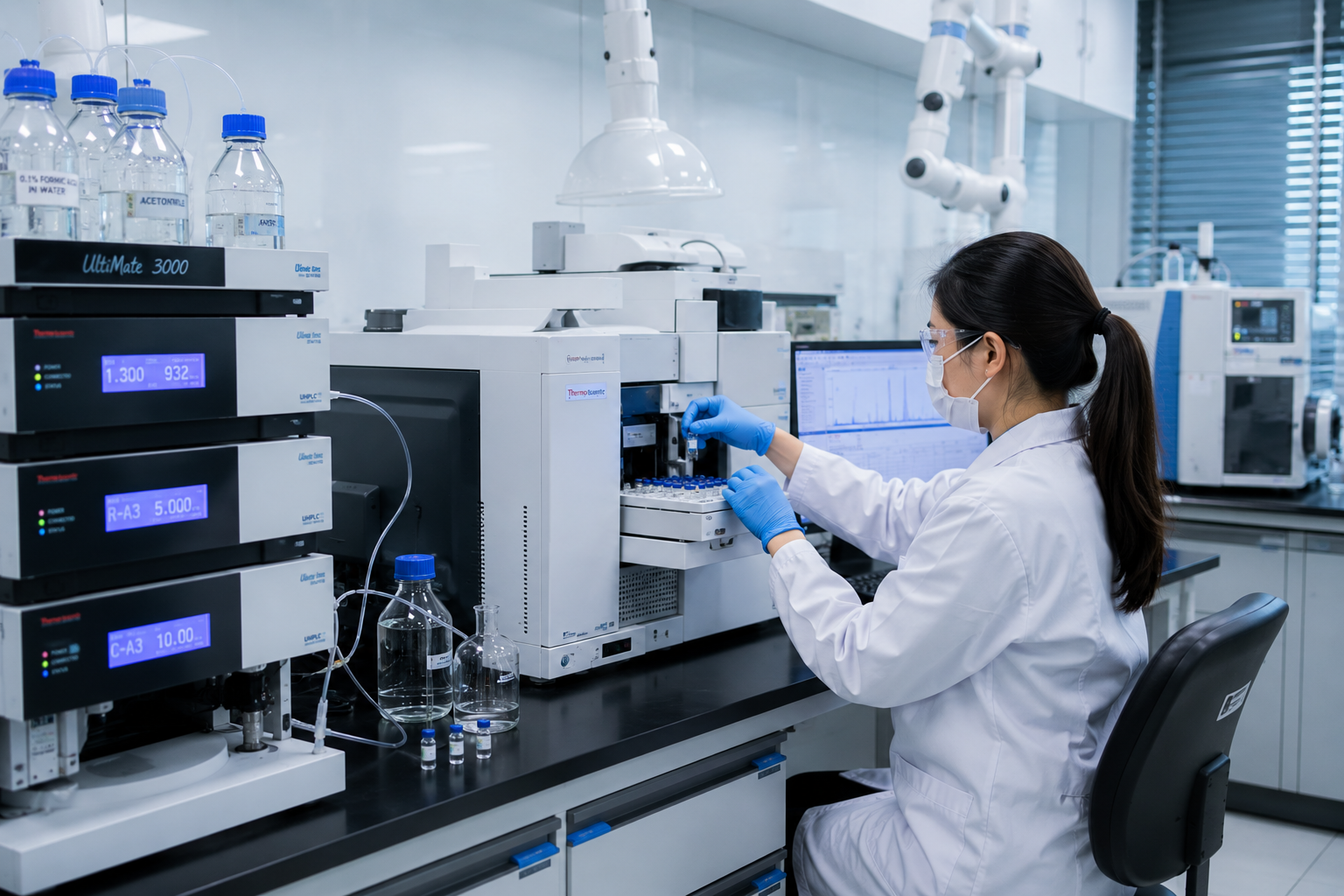
While laboratory testing is an important part of quality control, it does not always guarantee that a product will meet Korean import requirements.
In our experience, we have seen many cases where a product passed testing in its country of origin but received a different result during testing in Korea.
This can happen because:
- Testing methods may differ.
- Korean regulations may apply different standards depending on the food category.
- Food additives and preservatives may be evaluated differently under Korean regulations.
Passing a laboratory test in one country does not necessarily mean the product will pass inspection in Korea.
For this reason, products should always be reviewed specifically for Korean regulations rather than relying solely on domestic test reports.
5. Market Testing Before Full Production
One of the biggest mistakes we see is starting with a full container order.
Even if a product successfully passes customs clearance,
that does not automatically mean it will sell well in Korea.
Consumer preferences, pricing, packaging and market positioning all influence the final result.
Whenever possible, we recommend the following process:
- Prepare samples
- Test the Korean market
- Collect customer feedback
- Improve the product if necessary
- Proceed with commercial production
A successful first export is often built on careful preparation rather than large production volumes.
How VLAB Supports Food Exporters
At VLAB, we help overseas food manufacturers prepare for the Korean market before production and shipment.
Our support includes:
- Korean food regulation review
- Ingredient and additive review
- Manufacturer registration guidance
- Korean label preparation
- Sample shipment support
- Customs documentation
- Market testing support
- Buyer matching
Our goal is simple.
To identify potential issues before production rather than after a container has already arrived in Korea.
Because in international trade, solving a problem before production is almost always easier—and far less expensive—than solving it after shipment.
Final Thoughts
Exporting food to Korea is not simply about preparing export documents or arranging international shipping.
Successful entry into the Korean market begins long before production starts.
Understanding Korean regulations, reviewing ingredients, preparing accurate documentation,
and confirming that the product is suitable for the Korean market are all essential steps.
Taking these steps before production can significantly reduce risks,
avoid unexpected costs,
and create a much smoother market entry.
At VLAB, we believe exporting is not simply about shipping products overseas.
It is about preparing products for a successful market entry.
That is why we work alongside manufacturers from the earliest stage of the export process,
helping them prepare with confidence before the first shipment ever leaves the factory.
아직 컨테이너를 보낼 때가 아닙니다.
한국으로 식품을 수출하기 전 제조사가 먼저 확인해야 할 것들
매년 VLAB은 한국 시장 진출을 원하는 해외 식품 제조사들로부터 많은 문의를 받고 있습니다.
많은 제조사들은 이미 바이어나 유통사를 찾은 상태에서 가능한 한 빨리 생산을 시작하고 싶어합니다.
그리고 가장 먼저 이렇게 묻습니다.
“컨테이너는 언제 보낼 수 있나요?”
하지만 저희의 답변은 대부분 같습니다.
“조금만 기다려 주세요.”
컨테이너를 보내기 전에,
먼저 그 제품이 한국 시장에 실제로 준비된 제품인지 확인하는 것이 훨씬 중요합니다.
저희는 그동안 많은 기업들이 제품 생산에 시간과 비용을 투자한 뒤,
한국 수입 규정 때문에 통관이 어렵거나 제품 레시피를 수정해야 하는 상황을 여러 번 경험했습니다.
이러한 문제들은 대부분 대량 생산 전에 충분히 검토할 수 있었던 부분입니다.
저희가 가장 추천하는 순서는 다음과 같습니다.
제품 준비 → 샘플 준비 → 한국 기준 성분 및 규정 검토 → 시장 테스트 → 본 물량 수출
이 순서대로 진행하면 시간과 비용을 모두 절약할 수 있습니다.
1. 해외제조업체 등록
제품군에 따라 한국으로 식품을 수출하기 전에 해외제조업체 등록이 필요할 수 있습니다.
미리 관련 정보를 준비하면 이후 수출 과정에서 발생할 수 있는 불필요한 지연을 줄일 수 있습니다.
VLAB은 해외 제조업소 등록 준비 과정도 지원하고 있습니다.
일반적으로 필요한 서류는 다음과 같습니다.
- 제조공정도
- 성분표 또는 배합표
- 제조시설 정보
- 회사 관련 서류
2. 원재료 및 식품첨가물 검토
성분표가 있다고 해서 한국 수출이 가능한 것은 아닙니다.
가장 흔한 오해는 다른 나라에서 허용되는 원재료나 식품첨가물이라면 한국에서도 동일하게 허용될 것이라고 생각하는 것입니다.
하지만 한국은 제품군마다 적용되는 식품 기준이 다릅니다.
- 일부 보존료는 허용 기준치가 있습니다.
- INS 식품첨가물도 제품군에 따라 허용 여부가 달라집니다.
- 일부 제품군은 특정 성분이 불검출이어야 합니다.
따라서 생산이 끝난 뒤 수정하는 것보다 생산 전에 검토하는 것이 훨씬 안전합니다.
3. 한글 라벨 준비
한글 라벨은 단순 번역이 아닙니다.
한국 식품 표시기준에 맞는 형식으로 작성되어야 합니다.
- 제품명
- 원재료명
- 알레르기 표시
- 영양정보
- 제조사 정보
- 수입원 정보
출고 전에 정확한 한글 라벨을 준비하면 통관 과정에서 발생할 수 있는 문제를 줄일 수 있습니다.
“`html
4. 시험성적서와 한국 검사 결과
많은 제조사들은 이렇게 말합니다.
“저희 제품은 이미 자국에서 검사를 받았습니다.”
물론 시험 검사는 품질 관리에서 매우 중요한 부분입니다.
하지만 제조국에서 받은 시험성적서가 있다고 해서 한국 수입 기준을 반드시 충족한다는 의미는 아닙니다.
실제로 저희는 제조국에서는 문제가 없었던 제품이 한국에서 검사했을 때
다른 결과가 나오는 사례를 여러 번 경험했습니다.
이런 차이는 다음과 같은 이유로 발생할 수 있습니다.
- 검사 방법이 다를 수 있습니다.
- 한국 기준은 제품군에 따라 다르게 적용될 수 있습니다.
- 식품첨가물과 보존료가 한국 규정에서는 다르게 평가될 수 있습니다.
한 국가에서 시험을 통과했다고 해서 한국 검사에서도 반드시 통과한다는 의미는 아닙니다.
따라서 제조국의 시험성적서만 믿기보다는,
한국 기준에 맞춰 제품을 별도로 검토하는 과정이 필요합니다.
5. 본 생산 전 시장 테스트
저희가 자주 보는 가장 큰 실수 중 하나는 처음부터 컨테이너 단위로 생산하고 출고하는 것입니다.
제품이 통관에 성공했다고 해서 한국 시장에서 반드시 잘 판매되는 것은 아닙니다.
소비자 취향, 가격, 포장, 시장 포지셔닝이 모두 실제 판매 결과에 영향을 줍니다.
가능하다면 다음 순서로 진행하는 것을 권장합니다.
- 샘플 준비
- 한국 시장 테스트
- 소비자 피드백 확인
- 필요 시 제품 개선
- 대량 생산 진행
성공적인 첫 수출은 큰 생산 물량보다 신중한 준비에서 시작되는 경우가 많습니다.
VLAB은 어떻게 식품 수출업체를 지원하나요?
VLAB은 해외 식품 제조사가 생산과 선적 전에 한국 시장을 준비할 수 있도록 지원합니다.
VLAB의 지원 범위는 다음과 같습니다.
- 한국 식품 규정 검토
- 원재료 및 식품첨가물 검토
- 해외제조업체 등록 안내
- 한글 라벨 준비
- 샘플 발송 지원
- 통관 서류 준비
- 시장 테스트 지원
- 바이어 매칭
저희의 목표는 간단합니다.
컨테이너가 이미 한국에 도착한 뒤 문제를 해결하는 것이 아니라,
생산 전에 발생 가능한 문제를 먼저 확인하는 것입니다.
국제무역에서는 선적 후 문제를 해결하는 것보다,
생산 전에 문제를 확인하고 수정하는 것이 훨씬 쉽고 비용도 적게 듭니다.
마무리
한국으로 식품을 수출한다는 것은 단순히 수출 서류를 준비하거나 국제 운송을 진행하는 일이 아닙니다.
성공적인 한국 시장 진출은 제품을 생산하기 전 준비 과정에서부터 시작됩니다.
규정을 이해하고, 원재료를 검토하고, 정확한 서류를 준비하며,
제품이 한국 시장에 적합한지 미리 확인하는 과정이 무엇보다 중요합니다.
이러한 준비를 생산 전에 마치면 리스크를 줄이고,
예상치 못한 비용을 방지하며,
보다 안정적으로 한국 시장에 진입할 수 있습니다.
VLAB은 수출이 단순히 제품을 해외로 보내는 일이 아니라고 생각합니다.
수출은 제품이 새로운 시장에 성공적으로 진입할 수 있도록 준비하는 과정입니다.
그래서 VLAB은 제조사가 첫 선적을 하기 전, 가장 초기 단계부터 함께 준비합니다.
제품이 공장을 떠나기 전부터 더 안전하고 확실하게 한국 시장에 진입할 수 있도록 돕는 것이
저희의 역할입니다.